
What Not to Flush If You Have a Septic System in Nampa, ID
- May 29
- 6 min read
Most septic problems do not start with one giant mistake.
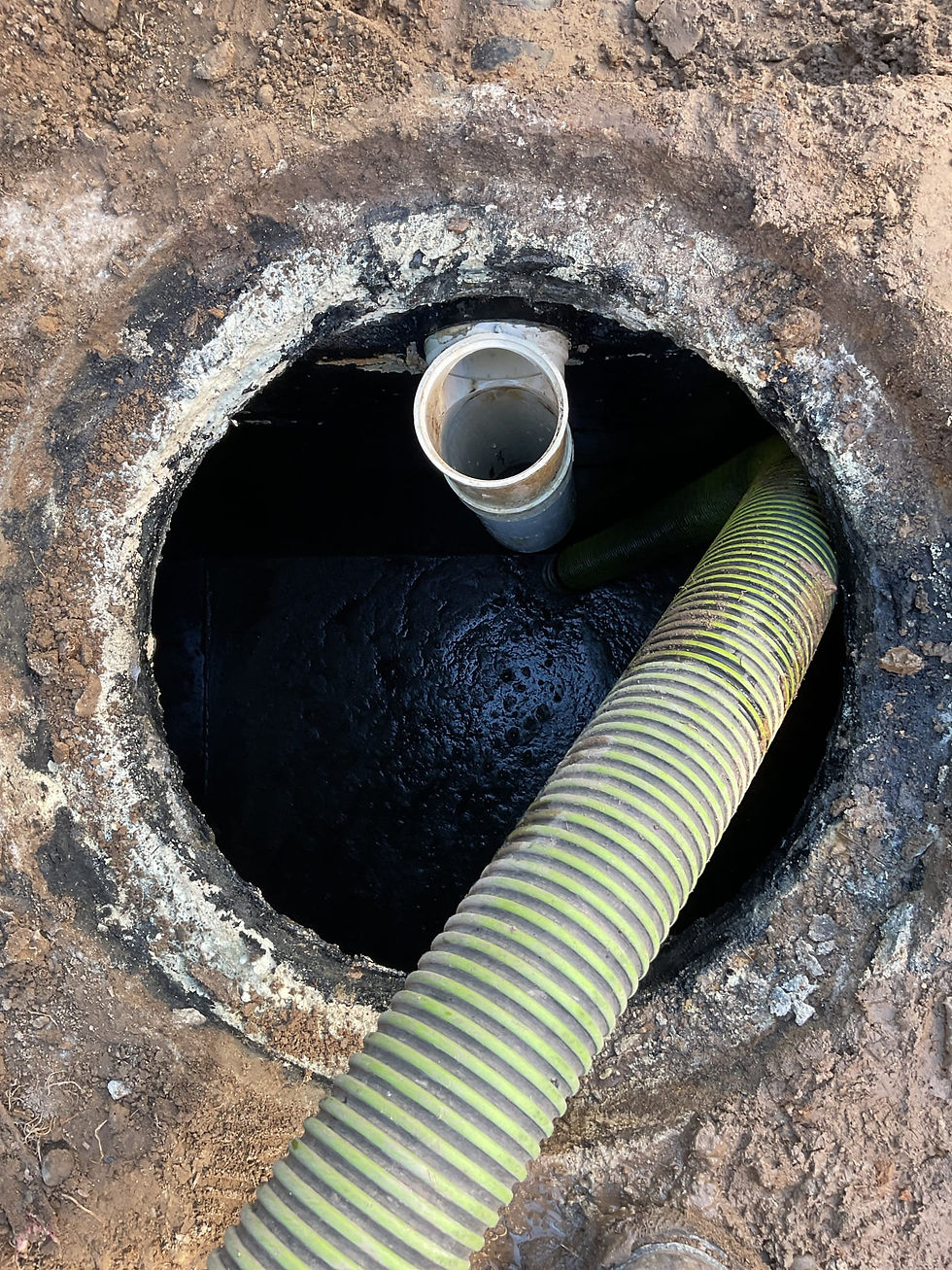
They usually start with small everyday habits people never realized were hurting the system in the first place.
A wipe here. A little grease there. Something labeled flushable that probably should not have been trusted. Over time, all of it adds up.
That is one of the biggest misconceptions homeowners in Nampa and the Treasure Valley have about septic systems. People think if something disappears down the drain, the system must be able to handle it.
That is not really how septic works.
A septic system is designed to break down normal household wastewater and waste. Once you start adding materials that do not break down properly, things can build up fast. That is when clogs, odors, backups, and drain field problems start creeping in.
The good news is most of this is preventable.
If you know what should stay out of your septic system, you can avoid a lot of expensive headaches later.
Why Septic Systems Are More Sensitive Than People Realize
When you are connected to a city sewer system, there is a much larger treatment process happening beyond your home.
A septic system is different.
Your system handles wastewater right there on your property. The tank relies on natural bacteria to break down waste properly before liquids move out to the drain field. That process works well when the system is treated the way it was designed to be treated.
The problem starts when materials enter the system that:
Do not break down properly
Kill or disrupt natural bacteria
Create buildup faster than normal
Cause blockages in lines or the tank
That is why what goes down your drains matters so much more than most homeowners think.
The Biggest Offender Flushable Wipes
Let’s just say it clearly.
Flushable wipes are one of the worst things for septic systems.
Even though they are marketed as flushable, they do not break down the same way toilet paper does. Toilet paper is designed to disintegrate quickly in water. Wipes stay intact much longer.
That means they can:
Create clogs in pipes
Build up inside the tank
Contribute to backups
Cause pumping to be needed sooner
A lot of homeowners are shocked when they find out wipes are part of the problem because they assumed “flushable” meant septic safe.
It usually does not.
Grease and Cooking Oils Cause More Problems Than People Expect
This one is extremely common in kitchens.
People rinse grease down the drain thinking hot water will carry it away. At first it seems harmless because everything disappears. But once grease cools, it thickens and sticks to pipes and system components.
Over time, that buildup creates restrictions and slows down flow.
Grease also does not break down properly inside a septic tank. It contributes to the floating scum layer building up faster, which puts extra stress on the system.
A better habit is letting grease cool and throwing it away instead of washing it down the sink.
Paper Towels Are Not the Same as Toilet Paper
This one trips people up all the time.
Paper towels are made to stay strong when wet. Toilet paper is designed to break apart quickly.
That means paper towels can sit in the tank much longer and contribute to buildup and clogs.
Even small amounts over time can create unnecessary stress on the system.
Feminine Hygiene Products Should Never Be Flushed
Tampons, pads, and similar products do not break down properly in a septic system.
They can:
Create serious clogs
Get stuck in pipes
Build up in the tank
Contribute to backups
Even if the toilet technically flushes them, that does not mean the septic system can process them safely.
Cat Litter Is a Hidden Septic Problem
A lot of homeowners do not realize flushing cat litter is rough on septic systems.
Cat litter absorbs moisture and expands. That is the exact opposite of what you want inside septic lines and tanks.
It can settle heavily inside the system and create stubborn buildup over time.
Even litter marketed as biodegradable is usually not a great idea for septic systems.
Coffee Grounds Build Up Faster Than You Think
Coffee grounds seem harmless because they are small, but they do not break down well inside septic systems.
Over time, they can accumulate in the tank and contribute to sludge buildup.
One little scoop does not destroy a system. The problem is the daily habit repeating over months and years.
Harsh Chemical Cleaners Can Disrupt the System
This surprises a lot of people.
A septic tank depends on healthy bacteria to break down waste naturally. When large amounts of harsh chemicals enter the system regularly, they can interfere with that balance.
Things like:
Strong bleach products
Drain chemicals
Heavy disinfectants
Chemical solvents
can reduce bacterial activity inside the tank if used excessively.
That does not mean you can never clean your home. Normal use is usually fine. The issue is repeated heavy dumping of strong chemicals into the system.
Food Waste From Garbage Disposals Adds Extra Strain
Garbage disposals are convenient, but they increase the amount of solid material entering the septic tank.
More solids means:
The tank fills faster
Pumping may be needed more often
The system works harder overall
This is especially noticeable in larger households where the garbage disposal gets heavy daily use.
A little occasional use usually is not catastrophic, but relying on the disposal constantly adds unnecessary load to the system.
Medications and Paints Should Stay Out Too
This is another category homeowners sometimes overlook.
Flushing medications, paint, chemicals, or solvents into a septic system can interfere with the natural treatment process and contaminate the system.
Those materials are not meant to be processed by septic bacteria or filtered through the drain field.
Why These Habits Matter More in Older Systems
Around Nampa and the Treasure Valley, a lot of homes have older septic systems. Older systems are often still reliable, but they usually have less room for abuse and neglect.
That means years of bad flushing habits can catch up faster.
An older system already dealing with:
Heavy water use
Inconsistent pumping
Aging drain field conditions
is much more vulnerable to buildup and clogs from the wrong materials going down the drain.
The Real Cost of Flushing the Wrong Things
This is the part homeowners usually do not think about until after a problem happens.
Flushing the wrong items can lead to:
More frequent pumping
Clogged lines
Backups inside the home
Drain field stress
Costly repairs
And septic problems rarely happen at convenient times. They usually show up during busy weeks, holidays, bad weather, or right when guests are staying over.
The frustrating part is many of those problems started with habits that felt small at the time.
What a Healthy Septic Routine Actually Looks Like
A healthy septic system is usually not about fancy products or complicated maintenance routines.
It is mostly about simple habits repeated consistently.
Only flush human waste and toilet paper
That one rule alone prevents a huge percentage of septic issues.
Be mindful about what enters kitchen drains
Avoid grease, oils, and heavy food waste whenever possible.
Stay on a realistic pumping schedule
This is still one of the most important things you can do.
If you are overdue or unsure about your last service, start here:Septic Pumping
The EPA also recommends routine pumping and maintenance to help avoid failures and protect the drain field.
Pay attention to warning signs early
Slow drains, odors, gurgling, and recurring clogs are your system’s way of asking for attention before the situation gets worse.
What To Do If You Think Bad Habits Have Already Caused Problems
Do not panic.
A lot of homeowners realize after the fact they have been flushing or rinsing things they should not have. That does not automatically mean the system is ruined.
But if you are noticing:
Recurring slow drains
Backups
Outdoor odors
Gurgling toilets
Wet spots in the yard
then it is time to stop guessing and get the system checked.
An inspection can help determine whether the issue is:
A full tank
A blockage
Drain field stress
A repair need
If symptoms are recurring or worsening, repairs may also be needed:Septic Repairs
The Simple Rule Most Septic Homeowners Follow
Here is honestly one of the best ways to think about septic care.
Just because something can go down the drain does not mean it should.
That mindset alone prevents a lot of problems.
Most healthy septic systems stay healthy because homeowners keep things simple and avoid unnecessary stress on the system.
Call to Action
If you are in Nampa or anywhere in the Treasure Valley and you want to protect your septic system long term, small habits matter more than most people realize.
If you are overdue for maintenance, schedule:Septic Pumping
A septic system can last a long time when it is treated right. Most of the biggest problems start with everyday habits homeowners did not realize were hurting the system over time.


Comments