
Septic Tank Pumping Before Winter: Is It Worth It in Idaho
If you have lived through an Idaho winter, you already know the general rule around home maintenance. Whatever you were putting off suddenly becomes a much bigger problem once freezing temperatures show up.

That applies to septic systems too.
Every year around Nampa and the Treasure Valley, homeowners start wondering if they should pump the septic tank before winter or just wait until spring. And honestly, it is a fair question. If the system seems fine right now, it is easy to think it can probably survive a few more months.
Sometimes it can.
Sometimes winter is exactly what pushes a stressed system into a backup, frozen line, or emergency service call at the worst possible time.
So is septic tank pumping before winter actually worth it?
In a lot of cases, yes. Especially if your tank is overdue, your household uses a lot of water, or your system has already been showing little warning signs heading into colder weather.
Let’s break down why winter can be hard on septic systems in Idaho, when pumping before winter makes sense, and how to tell if your system is asking for attention before temperatures drop.
Why Winter Can Be Tough on Septic Systems
A septic system does not stop working just because it gets cold outside. But winter changes the conditions around the system in ways that can make existing problems harder to ignore.
The ground becomes colder and less forgiving. Water movement slows down. Heavy snow, freezing temperatures, and saturated soil can all add stress to a system that was already struggling quietly in the background.
That means small issues homeowners barely noticed during summer can suddenly turn into real headaches once winter arrives.
A tank that is already too full
A line that is partially restricted
A drain field under stress
An aging system that has been getting by
All of those things become riskier once freezing weather settles in.
What Happens If a Septic Tank Is Too Full Going Into Winter
This is one of the biggest reasons pumping before winter matters.
When a septic tank gets too full, there is less room for wastewater to separate properly. Solids build up higher than they should, and the system has to work harder to move wastewater through the process.
During warmer months, the system might barely keep up. But once winter arrives, that margin gets smaller.
That can lead to:
Slow drains
Gurgling toilets
Backups during heavy water use
Extra pressure on the drain field
Higher chances of freezing problems
The worst part is that winter septic issues are harder and messier to deal with than the same issue would have been in fall.
Nobody wants to troubleshoot a septic backup while standing outside in freezing weather wondering why the shower suddenly will not drain.
Why Idaho Winters Create Unique Septic Stress
This is where local conditions matter.
In Nampa and throughout the Treasure Valley, winters can swing between freezing stretches, snow, thaw periods, and saturated ground conditions. Those changes affect how well a drain field can absorb wastewater.
If the system is already overloaded heading into winter, frozen soil and excess moisture can make drainage even slower.
This is especially true for:
Older septic systems
Homes with heavy water use
Properties with poor drainage
Systems that are overdue for pumping
Homes that had issues during spring or summer already
A healthy, maintained septic system usually handles winter just fine. A stressed system is where trouble starts.
One of the Biggest Mistakes Homeowners Make
A lot of people assume no symptoms means no problem.
That is the trap.
Septic systems often stay quiet until they suddenly are not. Homeowners will say things like:
“It seemed fine all year.”
“We were going to deal with it after winter.”
“We thought we had more time.”
Then January shows up and the drains slow down after every load of laundry.
The truth is, winter is not usually the best season to discover you needed maintenance three months ago.
Signs You Should Pump Before Winter
Not every home needs pumping right before winter, but there are situations where it is absolutely the smarter move.
You cannot remember your last pump date
This is the easiest sign.
If you honestly do not know when the tank was last pumped, going into winter without service is a gamble.
The EPA also recommends routine septic maintenance and regular pumping to help prevent failures and protect the drain field.
The system has already been showing small warning signs
Maybe the drains are a little slower than they used to be. Maybe the toilet gurgles once in a while. Maybe there is a faint smell outside after heavy water use.
Those are exactly the kinds of signs you do not want to ignore before winter.
You have a busy household
More people means more water use. More showers. More laundry. More strain on the system.
If you have a larger family, frequent guests, or a house that gets heavy use during the holidays, pumping before winter is often a smart preventative step.
The system struggled during spring or summer
If your yard stayed soggy during spring, or the drains acted up during heavy summer water use, the system may already be under stress.
Winter usually does not magically improve that.
Why Pumping Before Winter Can Actually Prevent Bigger Repairs
This is the part a lot of homeowners do not think about.
Pumping is not only about avoiding backups. It is also about protecting the drain field.
When a tank gets too full, solids can start moving toward the drain field. Over time, that creates buildup and clogs that make the drain field less effective.
And once the drain field starts struggling, repair conversations become much more likely.
That is why routine pumping is one of the cheapest ways to protect the most expensive part of the system.
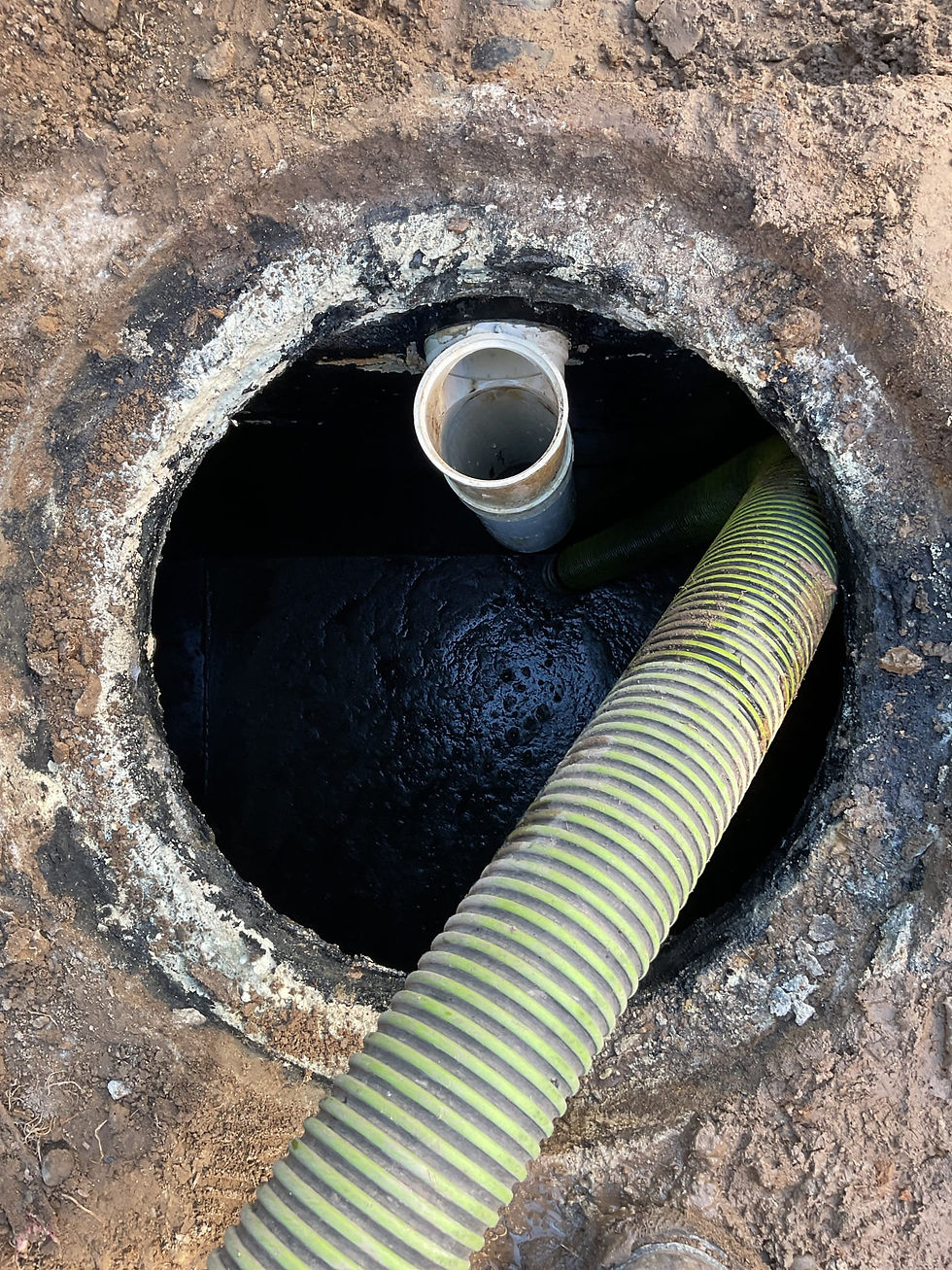
If you are overdue, this is where to start: Septic Pumping
What About Freezing Septic Lines
This is another reason winter maintenance matters in Idaho.
Septic lines are less likely to freeze when wastewater is moving properly and the system is functioning normally. But when flow slows down because of buildup, backups, or overloaded conditions, freezing risks increase.
A partially blocked line combined with freezing temperatures is a bad combination.
That is why homeowners often notice winter septic problems after:
Heavy holiday water use
A long cold stretch
Periods where the system was already draining slowly
Keeping the system maintained heading into winter lowers the chance of these problems showing up at the worst time.
Does Pumping Before Winter Hurt the Bacteria in the Tank
This is a common concern, and the answer is no.
Pumping removes accumulated solids and waste buildup. It does not permanently harm the natural bacterial process inside the system. The bacteria naturally rebuild through normal household use.
A properly pumped system is healthier going into winter than an overloaded one struggling to keep up.
What Else Homeowners Should Do Before Winter
Pumping is a great step, but there are a few other smart habits that help too.
Fix leaks inside the home
A running toilet can quietly overload a septic system over time. Fixing small leaks reduces unnecessary strain.
Spread out laundry
Even during winter, avoid flooding the system with too much water all at once.
Keep heavy traffic off the drain field
Avoid driving or parking on the drain field area, especially once the ground starts freezing and thawing.
Pay attention to warning signs early
If the drains slow down or odors appear before winter fully sets in, do not wait until temperatures drop even more.
When an Inspection Makes More Sense Than Just Pumping
Sometimes pumping alone is not the full answer.
If you are noticing:
Recurring slow drains
Outdoor odors
Wet spots in the yard
Repeated backups
Symptoms that return quickly after pumping
then it is smart to pair pumping with an inspection.
An inspection helps determine whether:
The tank is simply full
A line is restricted
The drain field is under stress
Repairs may be needed
That clarity matters a lot more than guessing.
If recurring issues are already happening, repairs may also need to be part of the conversation: Septic Repairs
A Simple Way to Think About Winter Septic Maintenance
Here is probably the easiest way to frame it.
If your septic system is healthy, maintained, and pumped on schedule, winter is usually not a big deal.
If your system is overdue, already stressed, or showing warning signs, winter tends to magnify the problem.
That is why pumping before winter is often worth it. You are not just checking a maintenance box. You are lowering the chances of dealing with a messy issue during the least convenient season possible.
Call to Action
If you are in Nampa or anywhere in the Treasure Valley and your septic tank is overdue, pumping before winter is one of the smartest ways to stay ahead of cold weather problems.


Comments