
How Often Should You Pump Your Septic Tank in Nampa and the Treasure Valley
If you ask ten septic homeowners in Nampa how often a tank should be pumped, you will probably get ten different answers. Some people say every year. Others say only when there is a problem. A lot of folks shrug and admit they are not sure because the system has been fine, so they have not thought about it.

That is totally normal.
The tricky part is this. A septic system can look and feel fine right up until it is not. And once it is not, it usually picks the worst possible timing to prove it.
So let’s make this simple and realistic. This blog will help you understand a smart pumping schedule, what actually changes that schedule in real life, and how to tell when your system is asking for service sooner than you planned.
If you want the official baseline from a trusted source, the EPA recommends inspecting septic systems regularly and pumping most tanks every 3 to 5 years, depending on household factors. You can read that guidance here.
Now let’s translate that into real homeowner terms for Nampa and the Treasure Valley.
The Short Answer Most Homeowners Want
For many homes in Nampa and nearby areas, septic pumping every 3 to 5 years is a common starting point.
But the real answer is not one number. It depends on a few things you can actually see and control.
The pumping schedule changes based on:
How many people live in the home
How much water your household uses
Whether you use a garbage disposal often
Tank size and how old the system is
Past maintenance habits
Seasonal stress on the drain field
If you want to skip the guesswork, the easiest move is to schedule septic pumping and ask the technician what they are seeing inside your tank. A good pro can usually tell you if you should stay on a 3 year rhythm or if your household can safely stretch longer.
Here is the pumping service page for Idaho Septic Solutions.
Why Pumping Matters More Than People Think
A septic tank is not a magical box where waste disappears. It is more like a holding and separating area.
Solids settle to the bottom. Scum floats to the top. The liquid portion flows out to the drain field.
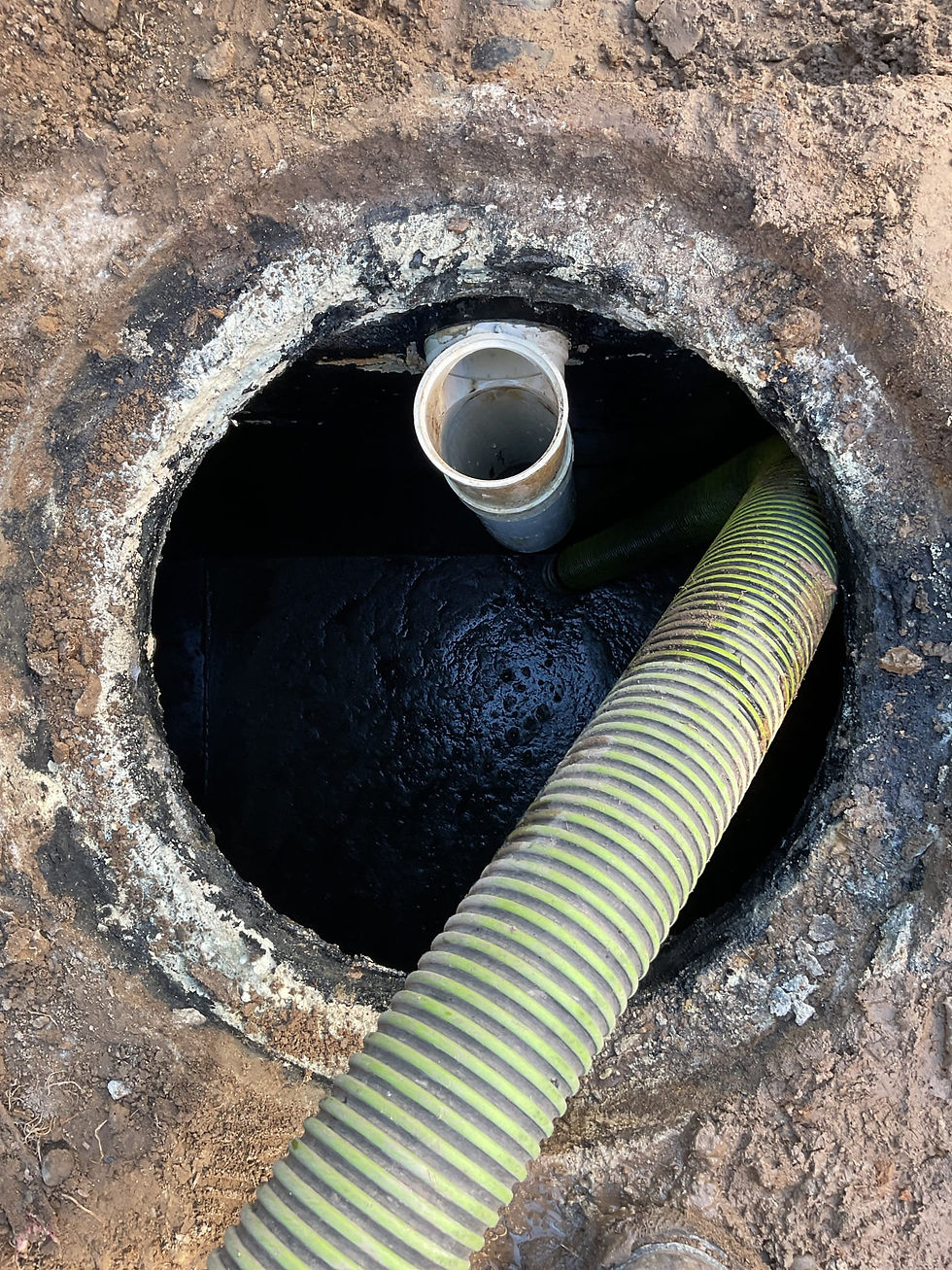
Pumping removes the buildup of solids and scum so they do not overflow into the drain field.
This is the part that saves you money long term.
When people skip pumping too long, solids can end up traveling to the drain field. Once that happens, you are not just dealing with routine maintenance anymore. You are risking clogs and damage in the drain field itself, which is where repairs get more complicated.
If you are the kind of person who likes a simple way to think about it, here it is.
Pumping protects the drain field.
The drain field is the expensive part.
Protecting it is the whole game.
A Realistic Pumping Schedule Based on Household Life
Instead of pretending every house is the same, here are some realistic ranges you can use as a starting point.
If you have 1 to 2 people in the home
You may be closer to the 4 to 5 year range, especially if water use is low and you do not use the garbage disposal often.
If you have 3 to 4 people in the home
Many households land closer to every 3 years, give or take. This is especially true if laundry
is frequent and you have typical daily water use.
If you have 5 or more people in the home
You are often looking at every 1 to 2 years, depending on tank size and how much water is used.
If you use a garbage disposal regularly
Even with a smaller household, frequent garbage disposal use can push your schedule tighter. It adds more solids to the tank and can fill it faster than people expect.
If you are not sure where you fit, that is exactly what a septic inspection is for. It gives you a snapshot of your system’s health and can help you plan pumping on a schedule that matches your home instead of a generic rule.
Nampa and Treasure Valley Factors That Can Change Your Timing
This is where local experience matters. Nampa is not the same as a coastal town with sandy soil year round. Conditions in the Treasure Valley can change how a septic system behaves.
Spring moisture and saturated ground
In spring, the soil can hold more water and drain fields can have a harder time absorbing effluent. If your drain field is already stressed, spring is often when you notice slow drains, odors, or soggy spots outside.
Summer water spikes
Summer is a busy season for water use. Guests visiting. Kids home. More laundry. More showers. Even outdoor habits can indirectly stress the system if the household is using more water overall.
Older homes and older systems
Some properties around Nampa and nearby areas have older septic systems that may not be as forgiving if maintenance was not consistent over the years. If you bought a home and did not get clear records, the safest move is to start with an inspection and pumping to create a baseline.
Larger lots can hide problems
This one is sneaky. On larger properties, you might not notice early drain field warning signs because you are not walking the same patch of yard every day. A problem can grow quietly until the symptoms show up inside the house.
Signs You Should Pump Sooner Than Your Schedule
Even if you think you are on a good schedule, your system might tell you it needs attention earlier. If any of these are happening, do not wait for your planned year.
Slow drains in multiple areas
One slow drain can be plumbing. Several slow drains at once is a common septic warning sign.
Gurgling sounds
If sinks and toilets gurgle when other fixtures run, the system may be struggling to move wastewater properly.
Sewage odors
Smells indoors or outdoors are never something to ignore. Even if it comes and goes, it is a sign worth checking.
Wet spots or extra green grass near the drain field
This can mean the drain field is overloaded or wastewater is not being absorbed normally.
Backups after heavy water use
If things get weird after laundry day or when guests are visiting, that is a classic sign your system is close to its limit.
If you are seeing any of those signs, pumping might be the next step. Or it might be a sign that repairs are needed too, and you want to know that before things get worse.
A Simple Way to Stop Guessing
Here is the honest truth. The calendar is not the best way to decide pumping. The tank condition is.
When a septic pro checks sludge and scum levels, they can tell if you are nearing the point where solids could move toward the outlet and threaten the drain field.
That is why inspections matter even when nothing feels wrong. It is not about being dramatic. It is about being smart and saving future you from a nasty surprise.
What About Additives and Treatments
This comes up a lot, so let’s talk about it like neighbors.
Some homeowners think additives mean they can pump less. Others are nervous their system will fail without additives. The reality is simpler.
No additive replaces pumping. Pumping removes solids. Additives do not remove solids.
If you want a clear, trustworthy reminder of that, the EPA warns homeowners to be cautious with septic tank additives and emphasizes routine maintenance instead. That is baked into their SepticSmart guidance.
If you want to use a product for a specific reason, talk to a septic professional first. The goal is always to protect the tank and the drain field, not gamble on a bottle that promises miracles.
Where Biomicrobic Fits In
If you have been on the Idaho Septic Solutions site, you have probably seen the Biomicrobic service mentioned. That is not something every septic company offers, and it is a real differentiator.
Biomicrobic systems are often part of advanced treatment and engineered solutions. They can be helpful in certain situations where a conventional setup needs extra support or where site conditions call for a more specialized approach.
The important part is this. If you have a system that includes mechanical components, pumps, or advanced treatment, you may need more frequent inspections. In some cases, yearly checks are recommended for systems with electrical or mechanical components.
If you suspect you have an alternative system, or you are not sure what is installed on your property, an inspection is the fastest way to get clarity.
A Practical Pumping Plan You Can Actually Follow
If you want an easy plan, start here.
Step 1. If you do not know your last pump date, schedule pumping and start fresh.
Step 2. Ask the technician what they see, not just what the calendar says.
Step 3. Set a realistic reminder based on your household size and the tank condition.
Step 4. Pay attention to warning signs during spring and summer when stress is higher.
Step 5. Get an inspection every so often, even if things feel fine, so you are not guessing.
You do not need to obsess over your septic system. You just need a plan.
Call to Action
If you are in Nampa or anywhere in the Treasure Valley and you are wondering whether it has been too long, you are not alone. Most homeowners only think about pumping after the first warning sign shows up. The better move is getting ahead of it now, while it is still simple.
If you want a clear snapshot of the system and a plan that matches your home, book a septic inspection.
If you are seeing repeated slow drains, odors, wet spots, or backups,


Comments