
Wet Spots in Your Yard or Extra Green Grass: Is Your Drain Field Failing in Nampa, ID
- Feb 21
- 8 min read
If you have a spot in your yard that stays wet no matter what, or a patch of grass that looks suspiciously healthier than everything else, you are not crazy for side eyeing it. This is one of the most common reasons homeowners in Nampa and the Treasure Valley start searching septic answers in the first place.
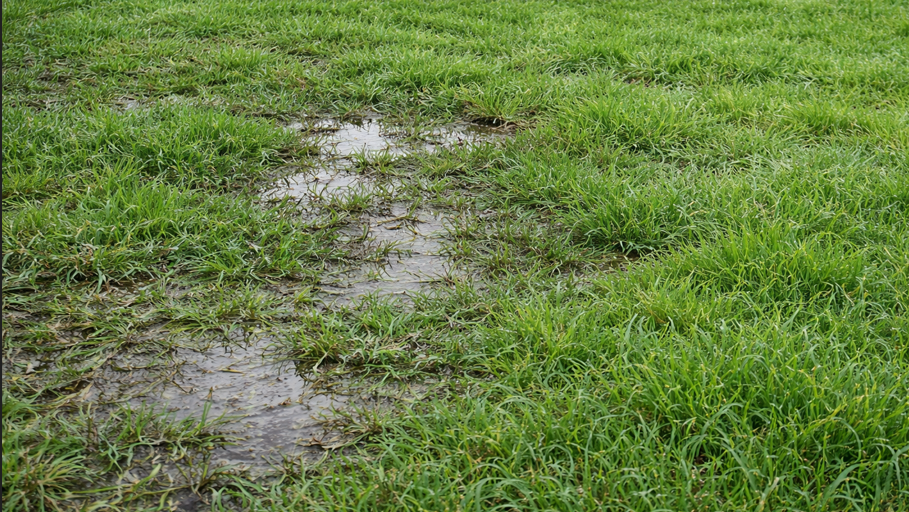
And it usually starts the same way.
You are out watering the plants or letting the dog out, and you notice a soft area under your shoes. Maybe it is not a full puddle, just a little squish. Or you notice one strip of grass that is suddenly bright green and growing fast, even though you have not done anything different. Then you start doing the mental math.
Did it rain
Did the sprinklers hit that spot
Is there a broken irrigation line
Or is this something septic
That last question is the one people do not want to ask, but it is the right one to ask early. Because when the drain field is having trouble, the yard is often the first place that shows it.
This blog will walk you through what wet spots and extra green grass can mean, what is normal, what is not, and when it is time to call a septic professional before it turns into a bigger situation.
Why Yard Symptoms Matter More Than People Think
A septic system is not just the tank. The tank is only one part.
The drain field is the part that quietly does most of the work. After the tank separates solids from liquids, the liquid portion flows out to the drain field, where it disperses into the soil.
When the drain field is working properly, you should not see anything on the surface. No standing water. No swampy patches. No odor. No weird lawn miracles.
So when your yard starts acting different near the drain field area, it is usually your system asking for attention.
And yes, sometimes it is something simple, like irrigation. But it is worth checking, because the earlier you catch a drain field issue, the more options you usually have.
First Things First Could It Be Something Other Than Septic
Before we go straight to worst case thinking, let’s knock out the most common non septic causes.
Broken sprinkler line or irrigation overspray
If you have sprinklers, check whether the wet area lines up with a sprinkler head. A small leak underground can keep one area wet without being obvious.
Drainage patterns and low spots
Some yards naturally hold water in a low spot, especially after rain or snow melt. If the wet
area is in the lowest point of your yard and not near the drain field, it may be simple drainage.
Recent heavy rain or spring thaw
Spring in the Treasure Valley can keep the soil moist longer than people expect. If the ground is still holding water and you have had recent storms, wait a day or two and see if the area dries normally.
Now here is the key.
If the wet area keeps returning, or it is near your drain field, or it comes with odors, slow drains, or gurgling inside the house, you want to treat it as a septic warning sign.
What Wet Spots Near the Drain Field Usually Mean
A wet spot near the drain field can happen for a few different reasons. Some are maintenance related. Some are repair related. Either way, they are worth addressing early.
The septic tank is overdue for pumping
This is one of the most common causes. When the tank gets too full, the system cannot separate solids and liquids the way it should. That can lead to slower flow and extra stress on the drain field.
If you cannot remember the last time your tank was pumped, or it has been years, this is often the first step to rule out.
A good reference point from the EPA is that septic systems should be maintained and pumped based on household usage, and routine maintenance helps prevent drain field failure. You can read their septic maintenance guidance here.
The drain field is saturated and cannot absorb properly
This is especially common during spring moisture or after periods of heavy water use. When soil is already holding water, the drain field has less ability to absorb additional effluent.
If your household water use has gone up recently, more laundry, more guests, more showers, the drain field can get overwhelmed faster.
A blockage is preventing proper flow
Sometimes the issue is not that the drain field is failing, but that wastewater is not flowing properly through the system. A partial blockage in the line or outlet can cause backups and push liquid where it should not go.
This is one reason a septic inspection is so useful, because it helps pinpoint whether the issue is flow related, tank related, or drain field related.
Solids have migrated into the drain field
This is the one everyone wants to avoid.
When pumping is delayed too long, solids can move out of the tank and into the drain field lines. Over time, that clogs the soil and reduces absorption. That is when you can start seeing surfacing water, soggy ground, and odors.
This is why pumping is not just routine maintenance. It is protection for the most expensive part of the system.
The drain field is aging or failing
Drain fields do not last forever, especially if the system is older or maintenance was inconsistent. If your system is decades old, or you bought the property without clear maintenance history, it is smart to get ahead of issues before they turn into major repair decisions.
What Extra Green Grass Can Mean
Homeowners sometimes laugh about this sign at first, because it looks like a good thing.
Why is this one patch growing so fast
Here is why. Wastewater contains nutrients. If liquid is escaping where it should not, it can fertilize the grass above it. So that bright green patch is sometimes your lawn telling you the system is leaking below the surface.
Extra green grass is especially suspicious if:
It is located where your drain field is
It shows up alongside wet soil
The grass feels soft or spongy underfoot
You notice odors nearby
It is not always septic. But when it is, it is not something you want to ignore.
The Signs That Suggest Drain Field Trouble Not Just Yard Moisture
Here is a simple way to tell if your yard symptoms are likely septic.
The area stays wet even when the weather is dry
If there has been no rain and your sprinklers are off, but the area stays wet, that is a strong clue.
The wet spot is paired with septic smells
If you smell sewage outside, especially near the wet area, it is time to call.
You are also noticing plumbing symptoms inside
This is a big one. Yard symptoms plus indoor symptoms often point to a system issue.
Indoor symptoms can include:
Slow drains in multiple rooms
Gurgling toilets or sinks
Toilets that struggle to flush
Backups after laundry or showers
If you are seeing both indoor and outdoor signs, do not wait.
The wet area is near where the drain field is located
Many homeowners are not exactly sure where their drain field is, and that is okay. But if the wet spot is in the general area where the system disperses water, treat it seriously.
If you are not sure where things are located, an inspection can help map it out and confirm what is happening.
Why This Shows Up a Lot in Nampa and the Treasure Valley
Local conditions matter, and this is where generic septic blogs fall short.
In the Treasure Valley, seasonal moisture can sit in the soil longer during spring. When the ground is already holding water, drain fields have less capacity. That means a system that was barely getting by can suddenly start showing symptoms once the soil stops cooperating.
Summer is another pressure point. More showers, more laundry, more guests. Even if everything is fine most of the year, summer water spikes can reveal a drain field that is struggling.
This does not mean your system is doomed. It just means the season can expose what was already building.
What You Should Do If You Notice Wet Spots or Extra Green Grass
Here is the part that actually helps. If you notice these yard symptoms, you do not have to panic, but you should take a few smart steps.
Step 1 Reduce heavy water use for a day or two
This is not forever, just a short pause while you figure out what is happening.
Space out laundry. Avoid long showers back to back. If the drain field is saturated, giving it a break can prevent a backup.
Step 2 Check irrigation and obvious yard causes
Make sure it is not a sprinkler leak. Look for broken heads. Run the sprinklers and watch if the wet spot gets worse immediately.
Step 3 Pay attention to odors and indoor symptoms
If you smell sewage, or if drains are slow in multiple areas, move straight to calling a septic professional. At that point you are past DIY troubleshooting.
Step 4 Schedule the right service
This is where most homeowners get relief, because once you stop guessing, the next steps become clear.
If you are overdue for maintenance, start with Septic Pumping
If you want clarity on what the system is doing, schedule a Septic Inspection
If symptoms are recurring, or you are seeing strong drain field warning signs, you may need Septic Repairs
What Not to Do Even If You Are Tempted
This is where homeowners accidentally make things worse, so it is worth saying clearly.
Do not cover the wet spot with dirt and hope it disappears
It might hide the symptom, but it does not fix the cause. It can also create a safety issue if wastewater is surfacing.
Do not keep running heavy water use to test it
If the drain field is struggling, pushing more water through can trigger backups inside the home.
Do not rely on additives as a solution
Additives do not remove solids. They do not fix a saturated drain field. They do not repair broken components. If your drain field is showing symptoms, you need a professional evaluation, not a bottle.
The EPA also cautions homeowners about septic additives and emphasizes regular maintenance as the real path to prevention. Their septic resources are here.
How Repairs vs Replacement Conversations Usually Start
A lot of homeowners get nervous because they hear the words drain field and immediately think replacement.
Here is the reassuring part.
Seeing wet spots or extra green grass does not automatically mean full replacement. Sometimes it is as simple as being overdue for pumping. Sometimes it is a blockage. Sometimes it is a repair that can be handled early.
The point of an inspection is to figure out which one it is.
And honestly, most homeowners feel better after a professional visit because they finally have a real answer instead of a scary mental spiral.
If repair is needed, here is where to start: Septic Repairs
A Quick Checklist You Can Use Today
If you want a simple checklist, here it is.
You should call a septic pro if:
The wet spot is near the drain field area
The wet spot does not dry out during dry weather
You notice sewage smells outside
You see extra green grass in one specific patch
You also have slow drains, gurgling, or backups inside
You do not know your last pump date
If any of those are true, it is worth scheduling service now, not later.
Call to Action
If you are in Nampa or anywhere in the Treasure Valley and your yard is giving you that uneasy feeling, trust your gut. Wet spots and extra green grass are often early warning signs, and catching issues early is the best way to protect your drain field and avoid messy surprises.
Start with Septic Inspections if you want clear answers
Schedule Septic Pumping if you are overdue or unsure of your last service
Request Septic Repairs if you are seeing recurring symptoms, odors, or strong drain field warning signs


Comments